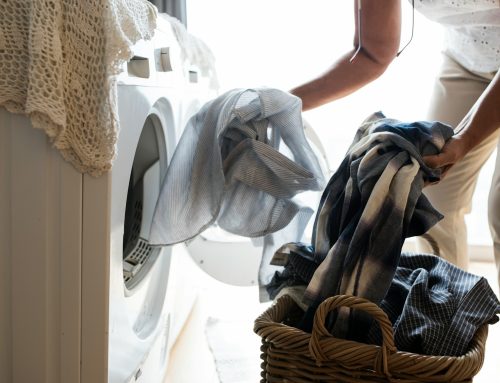
The dryer vent hose may not be something you think about often, but over time, it plays a bigger role than most people realize. It carries warm, moist air out of the dryer and away from your home. If this hose gets worn out, clogged, or damaged, your dryer ends up working harder than it needs to, and in some cases, it could even become unsafe. Knowing when to replace it can help you avoid unexpected breakdowns, fire risks, and higher energy bills.
Heading into September in Toronto, the shift to cooler weather usually means more laundry loads indoors. Summer bedding, thicker clothes, and bigger loads can all put extra pressure on your dryer. That’s why early fall is a smart time to check if your dryer vent hose is doing its job properly. A quick inspection and timely replacement takes less effort than dealing with a bigger problem in the middle of a busy week.
Signs It’s Time to Replace Your Dryer Vent Hose
Dryer vent hoses don’t last forever. Age, heat, and lint buildup all take a toll eventually. The good news is your dryer usually drops a few hints before the hose needs replacing. Spotting the signs early can help prevent more serious trouble down the line.
Look out for these red flags:
– The hose has cracks, kinks, or holes. Visible wear, especially along bends or around the connections, means the air isn’t flowing the way it should.
– You notice piles of lint around the back of the dryer. This often means lint is escaping through tears or loose connections instead of being pushed out.
– The outside vent flap doesn’t open properly during use. If airflow is weak or blocked, the outside vent may remain shut, trapping heat and moisture inside.
– The dryer shakes, rattles, or makes louder noises than usual. Obstructions in the hose or weak hose structure can cause poor airflow, forcing the machine to overwork.
– Drying takes longer, or clothes come out damp. This is one of the more common signs that something’s wrong with the venting system.
For example, one homeowner noticed their clothes were always damp after the first cycle and assumed the dryer was on its last legs. Turns out, the vent hose was crushed behind the machine and completely clogged with lint. A simple hose replacement fixed the issue and brought the drying time back to normal.
Types of Dryer Vent Hoses and When to Replace Them
Not all dryer vent hoses are the same. The material and design both affect how long they last and how well they perform. Understanding what type of hose you have can make it easier to decide when replacement is due.
Here are the most common types:
1. Foil Flex Hose
This is the thin, expandable type you’ll often see in older homes. It’s easy to install but also easy to tear. If this type is in place, inspect it more frequently and replace it at the first sign of damage.
2. Semi-Rigid Aluminum Hose
Made with thicker metal, this hose holds its shape better than foil and resists crushing. It lasts longer and provides better airflow, but it can still split or disconnect if handled roughly.
3. Rigid Aluminum Hose
This durable type is ideal for permanent installations. It handles heat well and doesn’t kink easily, which keeps efficiency high. These last the longest but can be harder to fit in tight spaces.
4. Plastic or Vinyl Hose
These should be swapped out right away. They’re no longer considered safe and often don’t meet current building codes. If you come across one, plan for an upgrade.
Hoses should be replaced if they’re damaged, clogged with unreachable lint, or made from materials that are no longer safe to use. If the hose sags, has lots of bends, or doesn’t connect tightly anymore, that’s another sign to make the switch. Fall is a practical time to review these issues, especially before dryer use increases during the colder months.
How to Replace Your Dryer Vent Hose
If your dryer vent hose needs to be replaced, it’s best to know what you’re dealing with before pulling the machine away from the wall. Vent hoses aren’t difficult to swap out, but the way they’re installed matters a lot. Poor connections or tight bends can cause airflow problems all over again.
Start by gathering the things you’ll need:
– A new dryer vent hose, the same type and length or longer than the old one
– Hose clamps or metal duct tape
– A screwdriver or pliers to loosen clamps
– A flashlight and vacuum for cleanup
Here’s a step-by-step rundown of what to do:
1. Unplug your dryer and move it away from the wall slowly. You may need help with this if it’s heavy or awkward to handle.
2. Loosen the hose clamps or pull off the old duct tape to disconnect the current vent hose from both the dryer and wall outlet.
3. Clean the back of the dryer, the wall port, and the area under and around the machine. Use a vacuum nozzle to grab any lint or debris sitting near the vent opening.
4. Slide the new hose over the dryer exhaust and wall port. Avoid sharp bends, tight turns, or long unnecessary stretches.
5. Secure both ends using clamps or metal duct tape. Make sure everything is tight with no wiggle or gaps where air or lint could escape.
6. Push the dryer gently back into place without crushing the new hose. Then plug it in and test it out on a short, regular cycle.
Sometimes, it’s hard to get access to the wall connection, or you might find obstructions you didn’t expect. If the hose path goes through walls or ceilings or if there’s a long run to an exterior wall, calling an expert with the right tools is often the better move.
The Benefits of Hiring a Professional Dryer Vent Hose Cleaner
A clean and well-installed vent hose helps everything run the way it should. But not every problem is easy to see from behind a dryer. That’s where trained help can make a big difference.
A professional dryer vent cleaner goes beyond just swapping out a hose. They inspect the full system, look for hidden clogs in hard-to-reach areas, and measure airflow to make sure there aren’t any unseen issues. Some blockages hide deep inside the vent pipe, through basement ceilings or outer walls where flexible or damaged sections can’t be spotted without tools.
One common issue professionals notice is animal nests or heavy lint buildup far inside the ductwork. These don’t just slow down drying, they raise the risk of heat and moisture getting trapped inside the home. A proper cleaning clears the entire path, not just the parts you can see.
Hiring someone also means you’re less likely to miss any worn parts that should be replaced before they cause damage. That includes outdated vents, missing connections, broken flaps on outside caps, or kinks in the hose that cut off air movement.
Keeping a regular cleaning schedule is a good habit. Catching maintenance issues early keeps your system safe and your clothes coming out dry and warm, without having to run extra cycles to get there.
Why This Simple Fix Makes a Big Difference
Replacing a dryer vent hose when needed does a lot more than help your clothes dry faster. It can lower wear and tear on your appliance, help manage power use, and create a safer setup for your home. Vent issues get worse over time, so waiting too long can lead to bigger repairs or even a full dryer replacement.
Even though the hose sits out of sight, it does heavy lifting behind the scenes every time you run a cycle. Letting it stay cracked, loose, or plugged up sets your machine up for failure. A fresh hose, paired with a clean path for airflow, brings better results right away.
With cooler temperatures around the corner in Toronto, now’s the time to check your dryer’s condition. The coming months often mean more frequent use as families do larger loads and spend more time indoors. A quick fix or expert inspection could save you hassle when winter’s fully here and laundry piles up fast. Even small upkeep goes a long way to keeping your system running reliably throughout the year.
Ensure your dryer is running smoothly and safely all year round by turning to experts who can handle the details for you. For comprehensive inspections and expert solutions tailored to your needs in Toronto, explore how Dryer Vent Pros can help as your trusted dryer vent hose cleaner. Prioritize the longevity and efficiency of your appliance with professional care.